
Scott Mines over at TCGplayer made a bold call in his ink drop breakdown: "deckbuilding will never be the same." Mickey Mouse - Best in Town, at one ink and two lore, is a big part of why he said it.
- Mickey Mouse - Best in Town costs one ink, quests for two lore, and gives every player an ink drop each turn he's exerted, making turn-one acceleration real
- The playable Super Rare copy costs $8.56; the Iconic printing costs $1,862.41, and the price gap is scarcity and art, not card text
- Goofy - Klutzy Skier and bounce spells like Poor Unfortunate Souls are the cheapest answers opponents have, and they arrive before your engine is established
- Run four copies only if you're building around ink drops; he actively hurts you in a deck that isn't
Let's look at what the card actually does, what it costs to play, and what banishes it.
What Mickey Mouse - Best in Town does
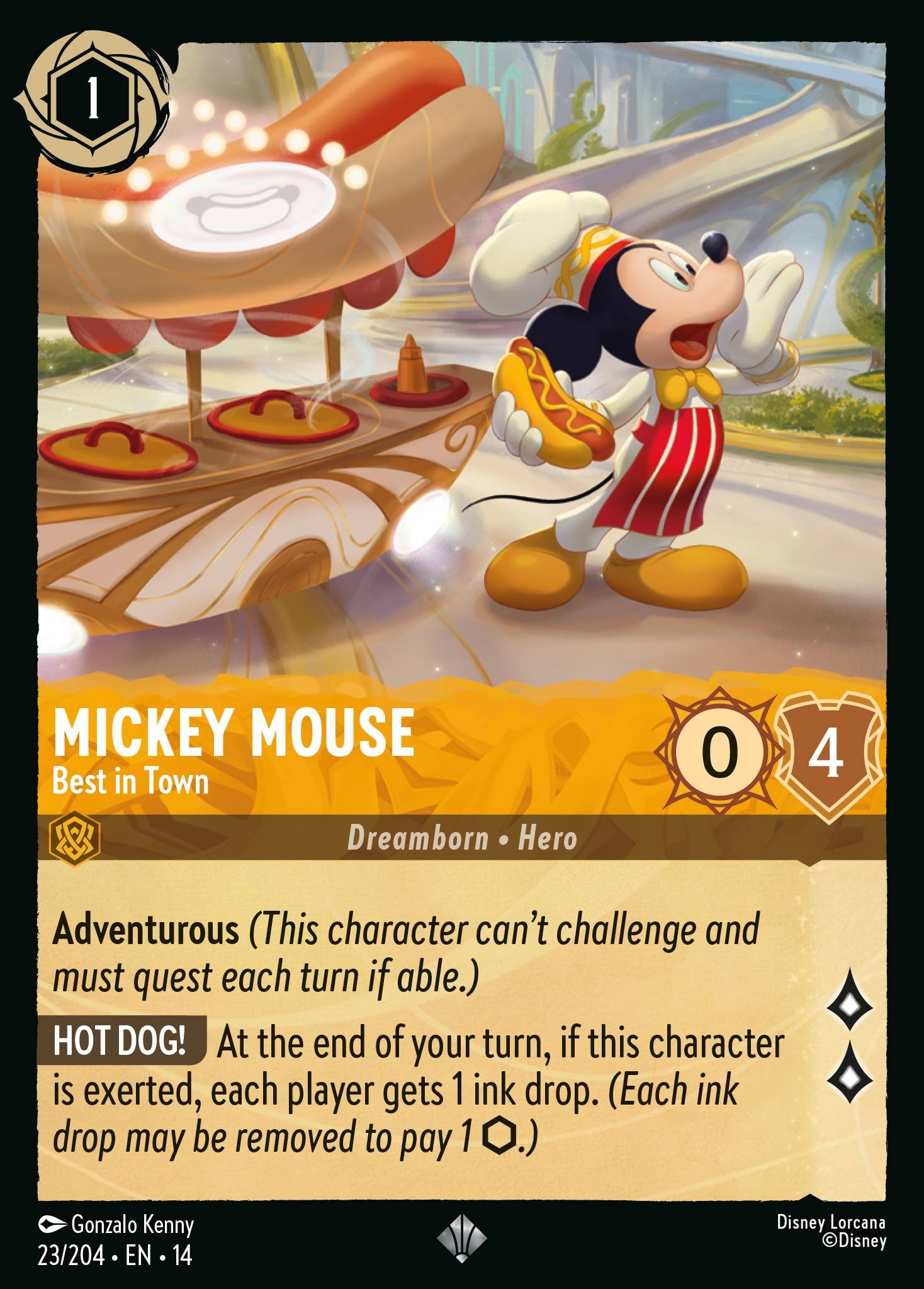
One ink. Zero strength, four willpower, two lore. And Adventurous, which means he can't challenge and must quest each turn if able.
That last part is load-bearing. He doesn't threaten anything across the table. He quests, he exerts, and then HOT DOG! fires: at the end of your turn, if he's exerted, each player gets one ink drop. An ink drop pays one ink when you remove it.
So he quests for two lore and hands everyone a free ink. That sounds symmetrical. It isn't, necessarily, because you chose to build around it and your opponent didn't.
The turn-one engine Scott Mines spotted
Mines lays out the core line: Mickey Mouse - Best in Town on turn one, Khan Transport Delivery on turn two. Khan Transport Delivery costs two ink, draws a card, and gets you an ink drop.
Combined with Mickey's trigger, you're entering turn three with two ink drops banked. That's real acceleration, and it costs almost nothing to execute: Khan Transport Delivery is seven cents.
His wider point is that the odd-ink problem disappears. If Mickey stays on the board, you can hit any odd-numbered ink total you want. Mines explicitly calls out seven-cost characters as reachable earlier than they should be, and Prince Charming - Protector of the Realm at seven ink fits that line exactly.
While your opponent is spending three or four ink to remove a one-ink card, your board is doing other things.
The key phrase there is "if Mickey stays on the board."
Four willpower is the card's whole argument
Here's the tension. He has zero strength and can't challenge, so he's entirely passive. The only reason opponents can't just ignore him is two lore a turn. That means they have to answer him.
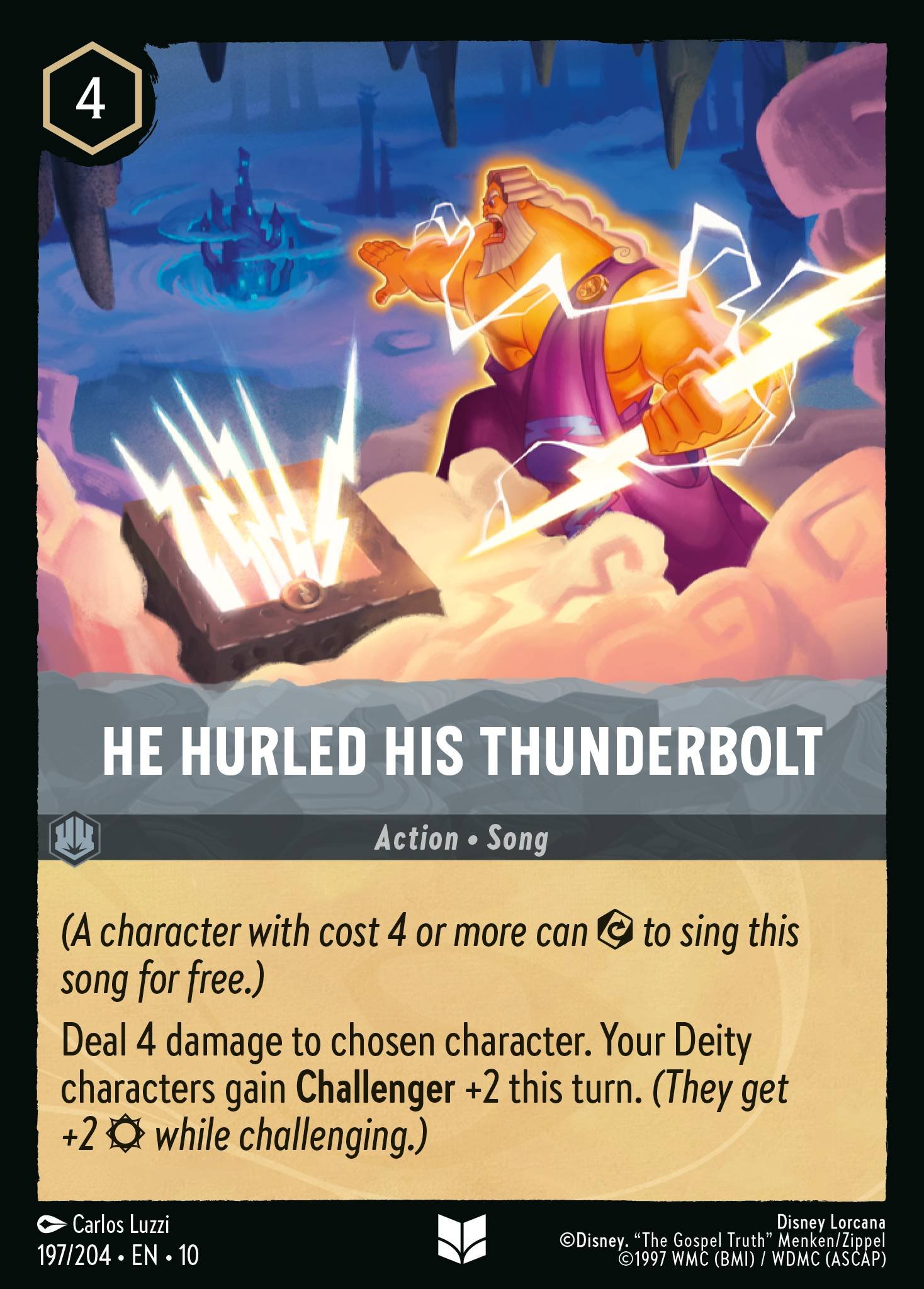
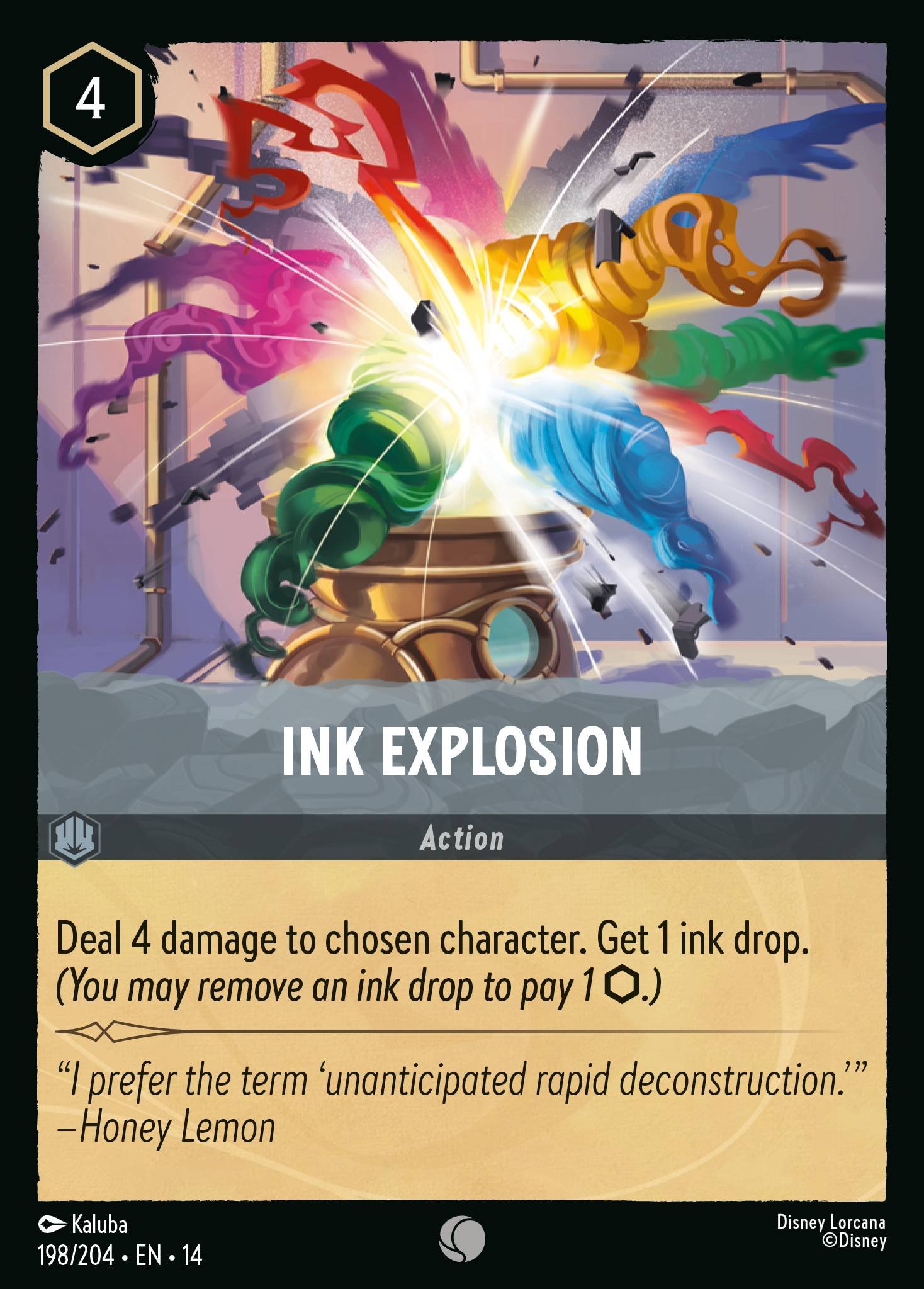
Four willpower is what makes answering him annoying. He Hurled His Thunderbolt and Ink Explosion both deal enough damage to banish him, but both cost four ink and arrive later than he does. Goofy - Klutzy Skier banishes him outright for three ink and doesn't care about his stats.
If She Doesn't Scare You does the same at four. Those are real answers. They cost real ink. While your opponent is spending three or four ink to remove a one-ink card, your board is doing other things.
The cheaper answers are bouncers, not banishes. Poor Unfortunate Souls returns a character costing two or less to hand for two ink. He costs one. That bounces him cleanly.
Nana - Canine Caregiver, Begone!, Vixey - Expert Fisher, and Owen Burnett - Xanatos's Assistant all return him at three ink. A bounce isn't a banish, but it resets his quest clock and costs you the ink drop you'd have earned.
The thing that really bites: he has Adventurous, so he must quest each turn if able. He can't hide. Every turn he's on the board, he's exerted, visible, and targetable.

Two purchases, not one
The card you sleeve costs $8.56. The rules text is identical to the one you don't sleeve, which costs $1,862.41. That's the Iconic printing, and its price has nothing to do with how it plays. It's scarcity, art, and the pull of the character. If you're building a deck, $8.56 is the number that matters.
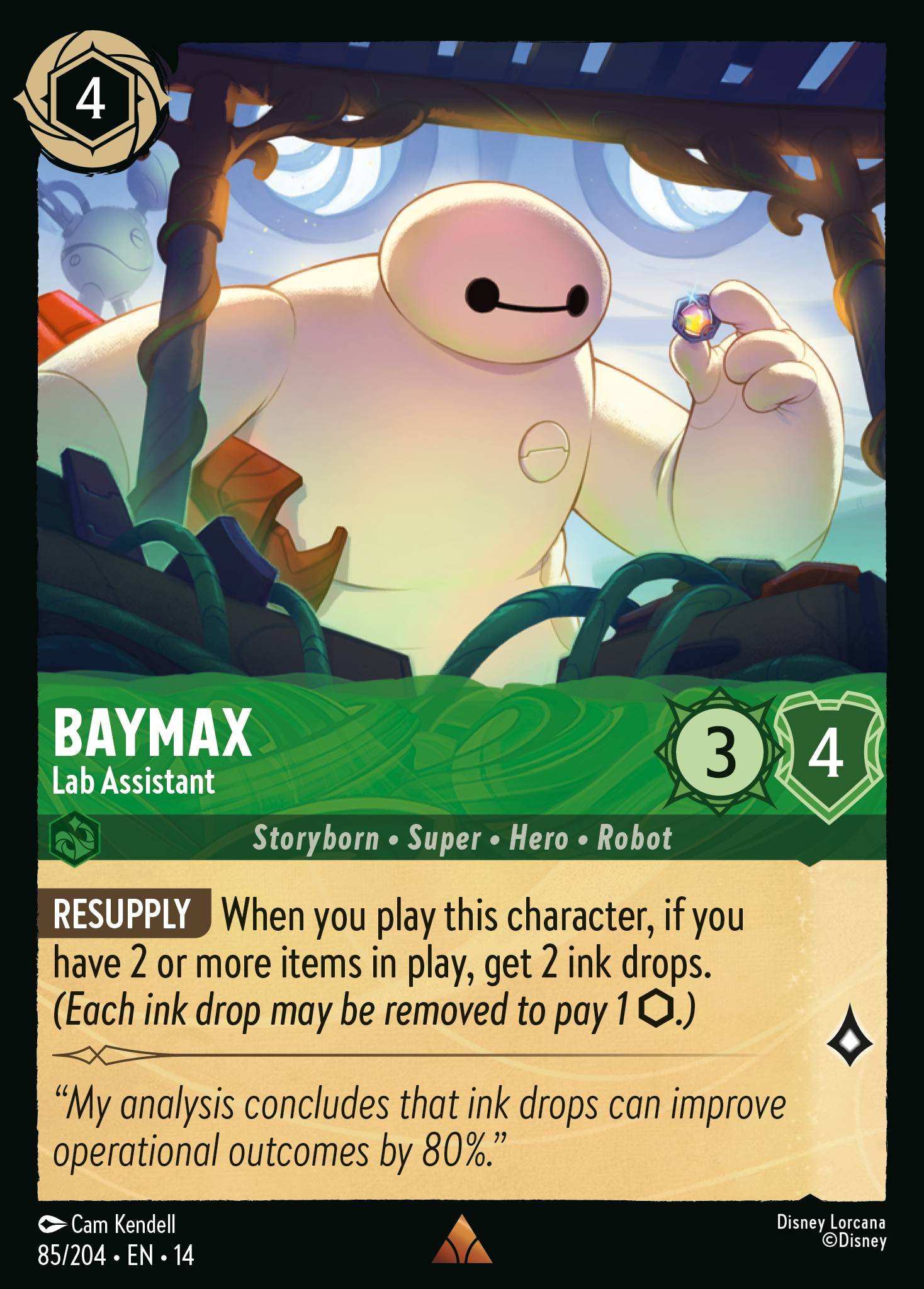
For context, the rest of the engine is cheap. Khan Transport Delivery at seven cents, Madam Mim - Resourceful Trickster at ninety cents, Baymax - Lab Assistant at twenty-three cents.
Mines notes that Baymax wants two or more items in play to generate two ink drops on entry, then shift into a larger form that converts future ink drops into permanent ink.
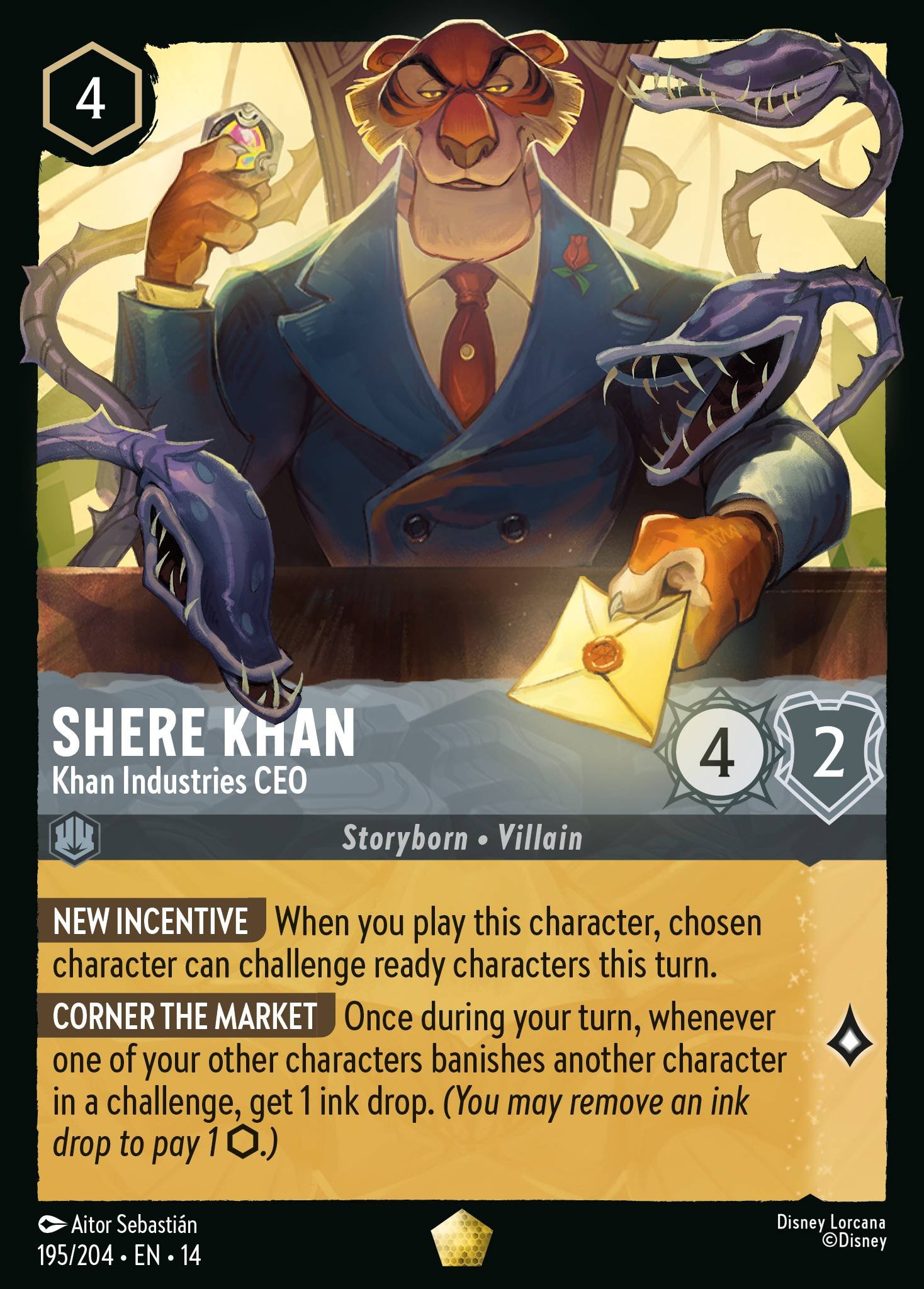
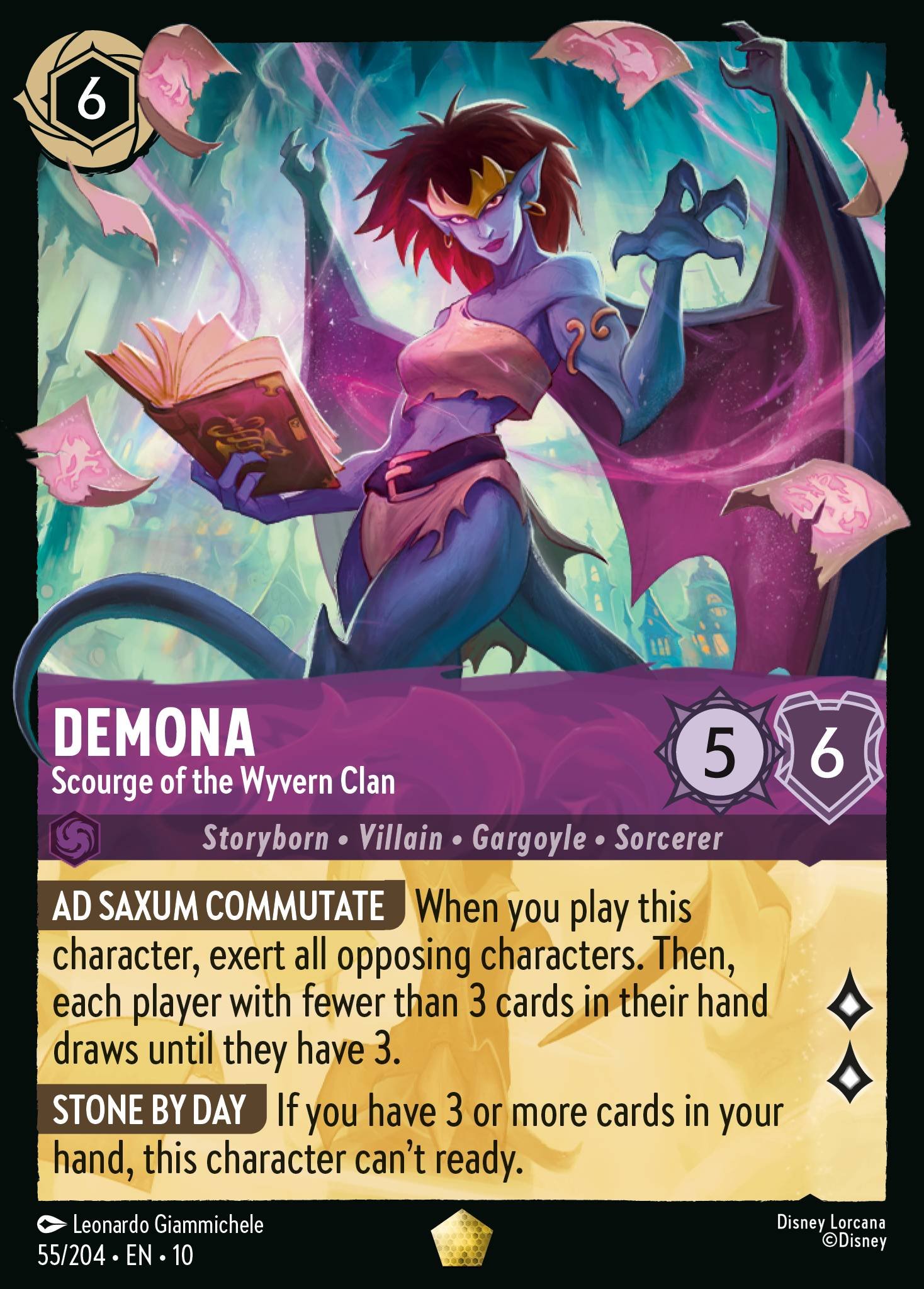
The setup is real but the card is nearly free to acquire. Shere Khan - Khan Industries CEO costs seven dollars and lets one of your characters challenge ready characters, plus generates ink drops when your characters win challenges. The most expensive card in the engine by a distance is Demona - Scourge of the Wyvern Clan at $35.40.
Mickey Mouse - Best in Town is the engine's ignition key. At $8.56, it's not the most expensive part of the deck.


Whether to run it
Run four copies if you're building around the ink drop mechanic. The whole engine only works at the speed Mickey Mouse - Best in Town enables from turn one. If you're not leaning into ink drops, he's a one-ink two-lore quester who hands your opponent free ink. That's a bad deal.
The one thing to watch for at your next game: whether your opponent is holding bounce spells in the two-to-three-ink range. A two-ink Poor Unfortunate Souls resets him cleanly and costs almost nothing.
If that's in the format, plan for Mickey to get banished early, and plan for the turns you spent building ink drops to still be worth it before he goes. If the engine clicks, pick up your four copies at $8.56 each and start goldfishing the turn-one line before your next event.
Prices update daily. Price any list as you build it in the deck builder, which reads the same feed as this page, and every card above links to its own page in the card library.
Card links go to TCGplayer. We may earn a commission.