
Every turn in Lorcana you may put one card from your hand face down into your inkwell. That card is now a resource and never a card again. You will make that choice more often than any other in the game, and almost nobody explains how.
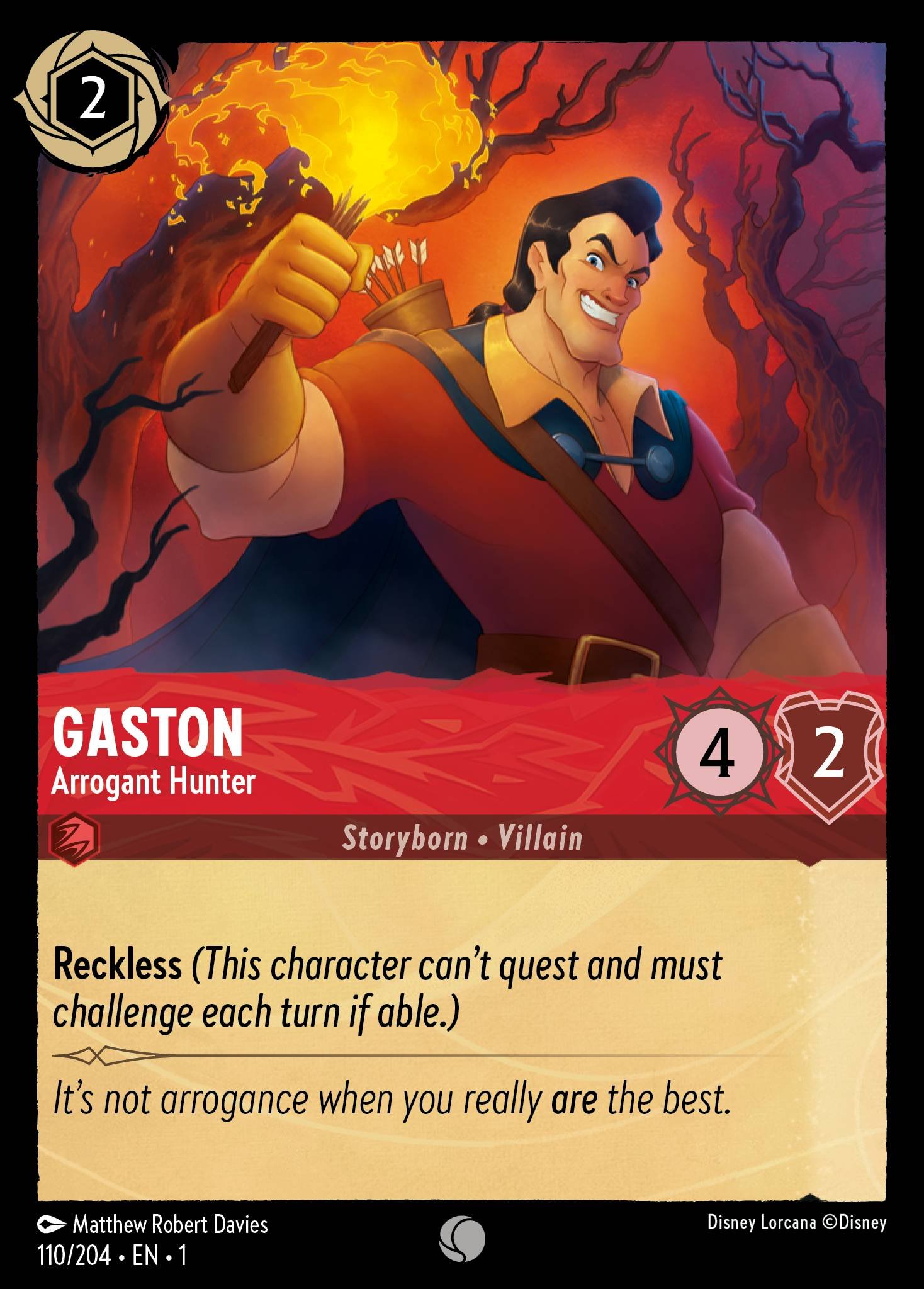
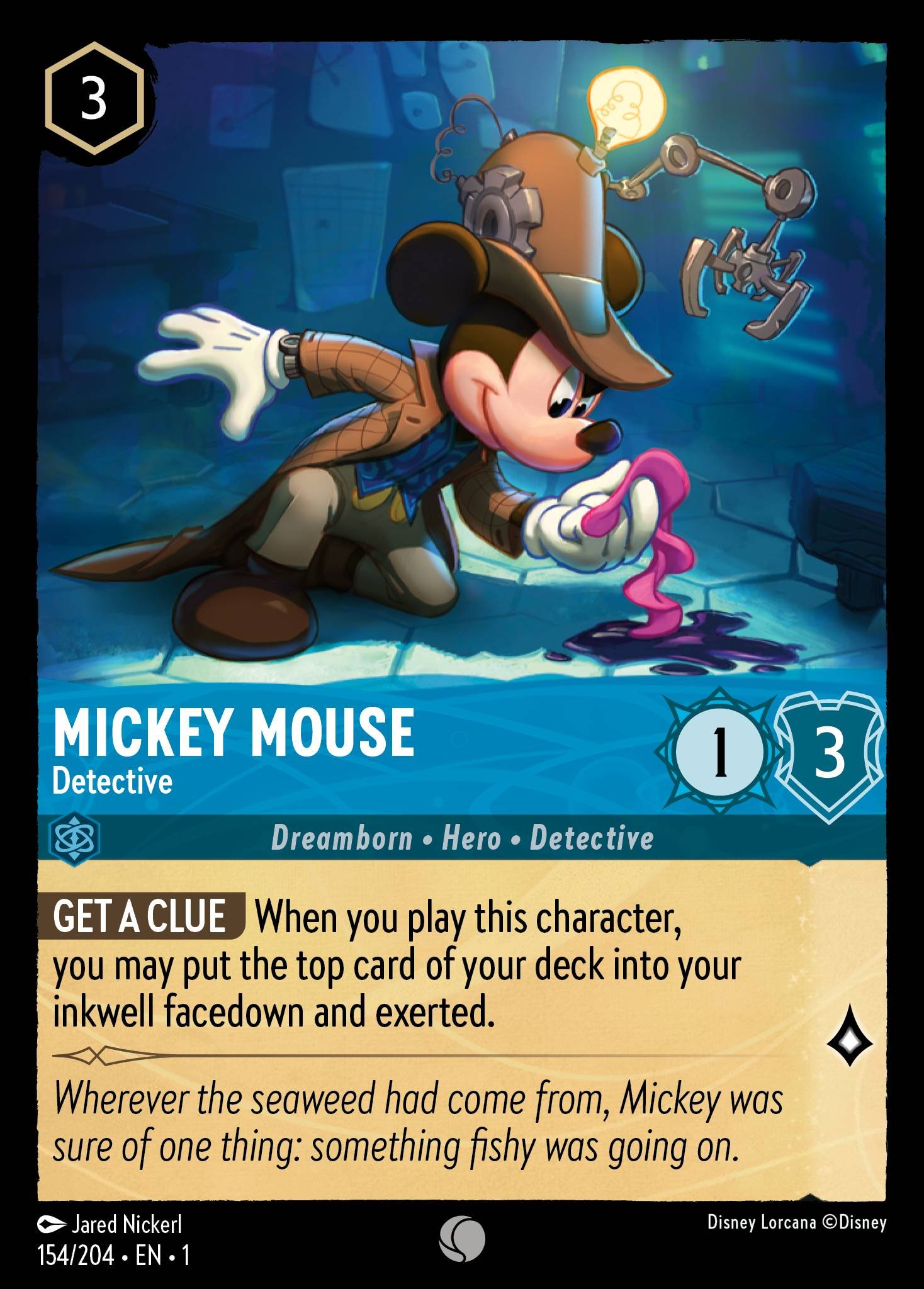
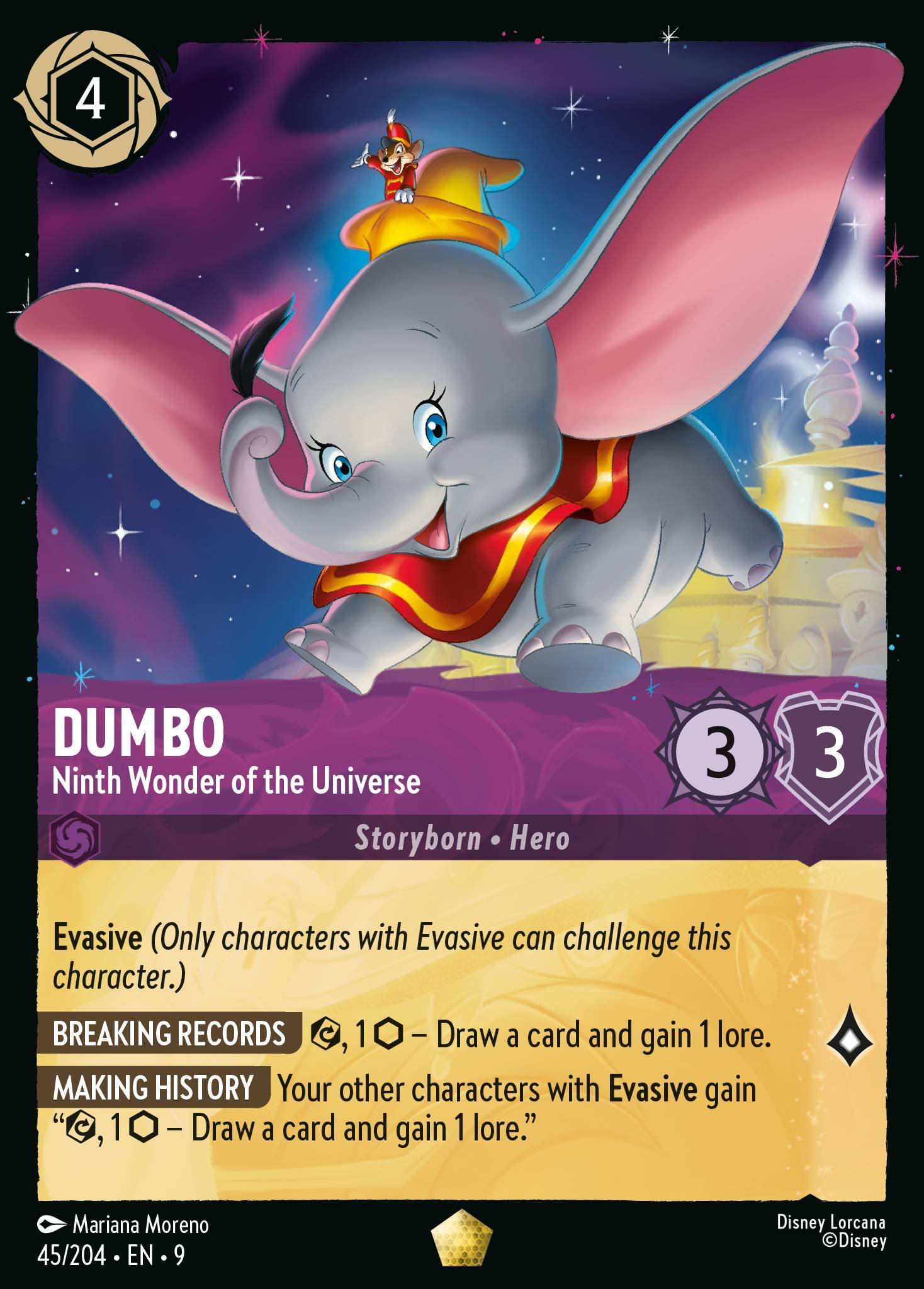
- Look at the ink cost in the top left. If the number sits inside a gold swirl, the card can be inked. A plain hexagon on its own means it cannot, and roughly one Core card in 5 is like that.
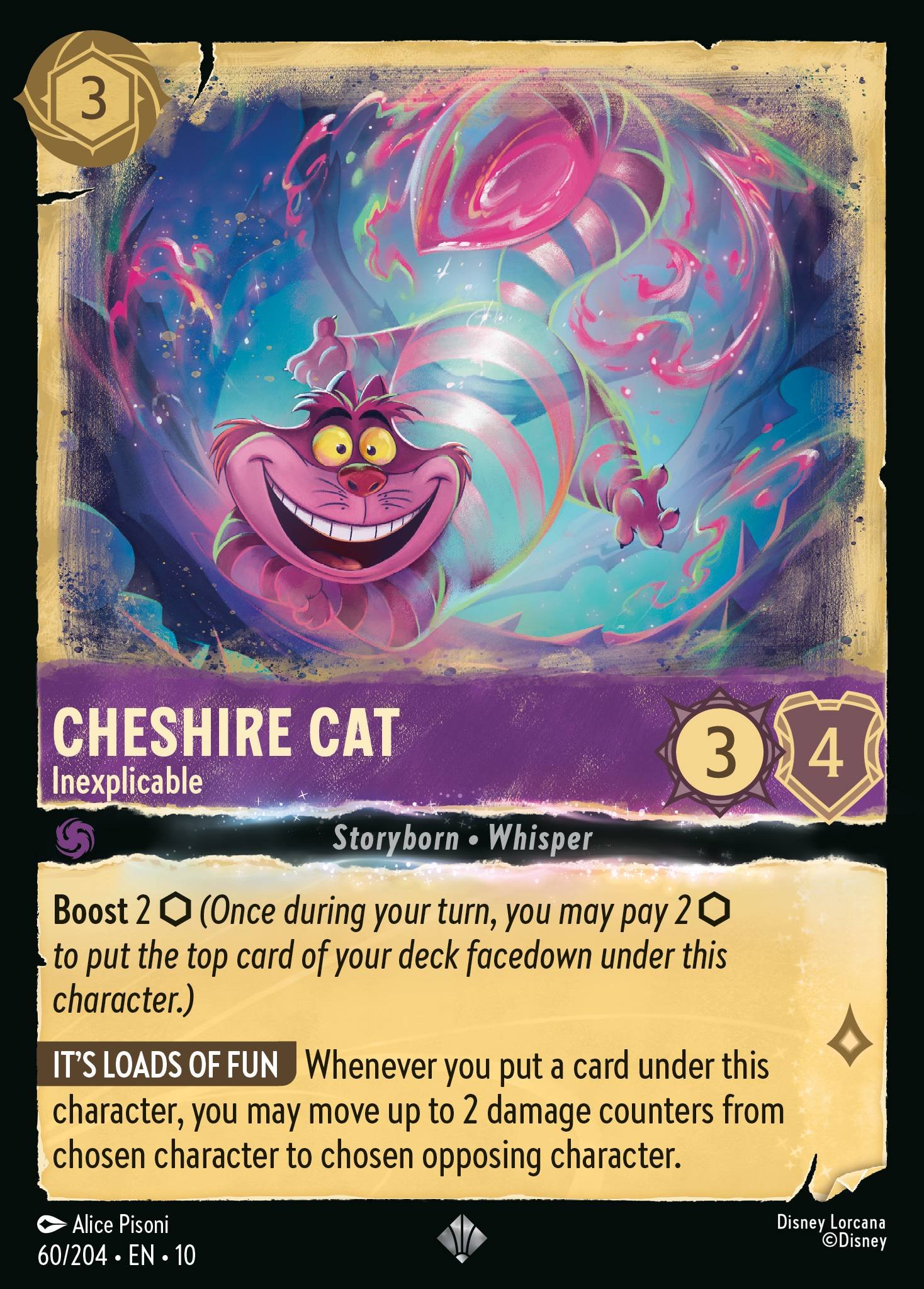
- The better the card, the less likely you can ink it. 8% of commons are uninkable against 32% of rares.
- Ink almost every turn early. A missed ink is a whole turn of tempo you never get back.
- Count the uninkable cards in your deck. Real tournament lists sit far lower than new players expect.
What inking actually is
Your inkwell is how you pay for everything you do. It starts completely empty, and the only way it ever grows is by spending a card out of your hand.
One card per turn, and only if you choose to. Nothing forces you to ink, which is exactly why it gets forgotten.
Once per turn you may take one card from your hand and put it face down into the inkwell. It is gone as a card. You will never play it, draw it again, or get it back. What you bought is one more ink, every turn, for the rest of the game.
You are not choosing what to play. You are choosing what to give up so that everything else becomes playable.
Not every card is allowed in
Everything you need is in the top left corner, around the ink cost. On a card you are allowed to ink, that number sits inside a filled gold disc with a swirl curling around it. On a card you cannot ink, it is a bare hexagon outline with nothing behind it.
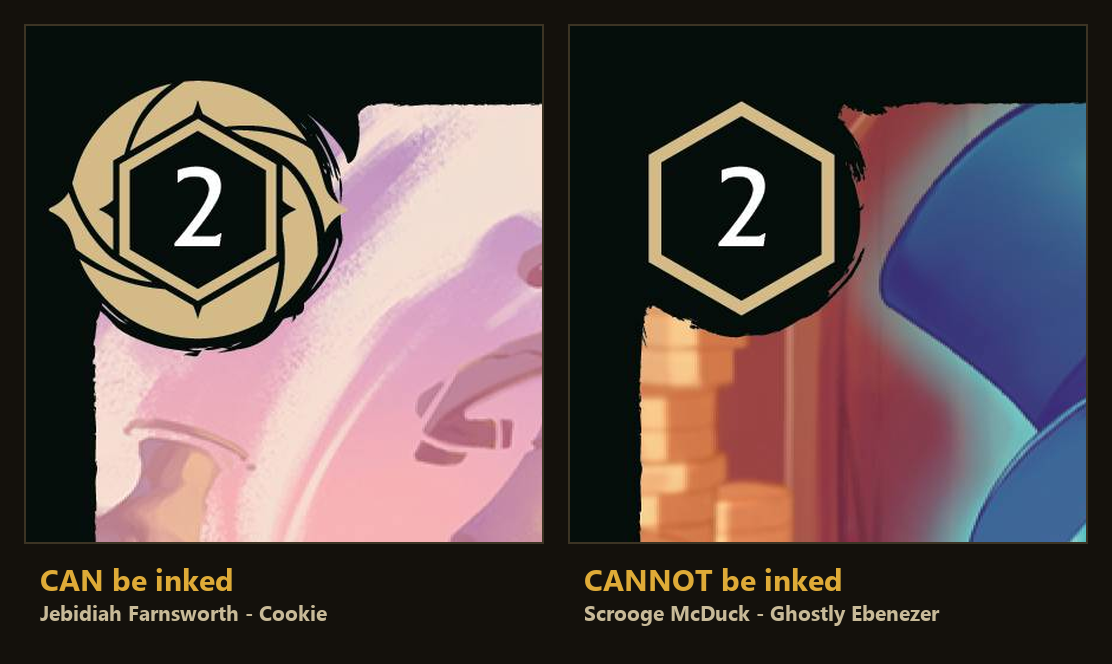
The swirl is the whole tell. Once you have seen the two side by side, you will spot it at a glance for the rest of the time you play.

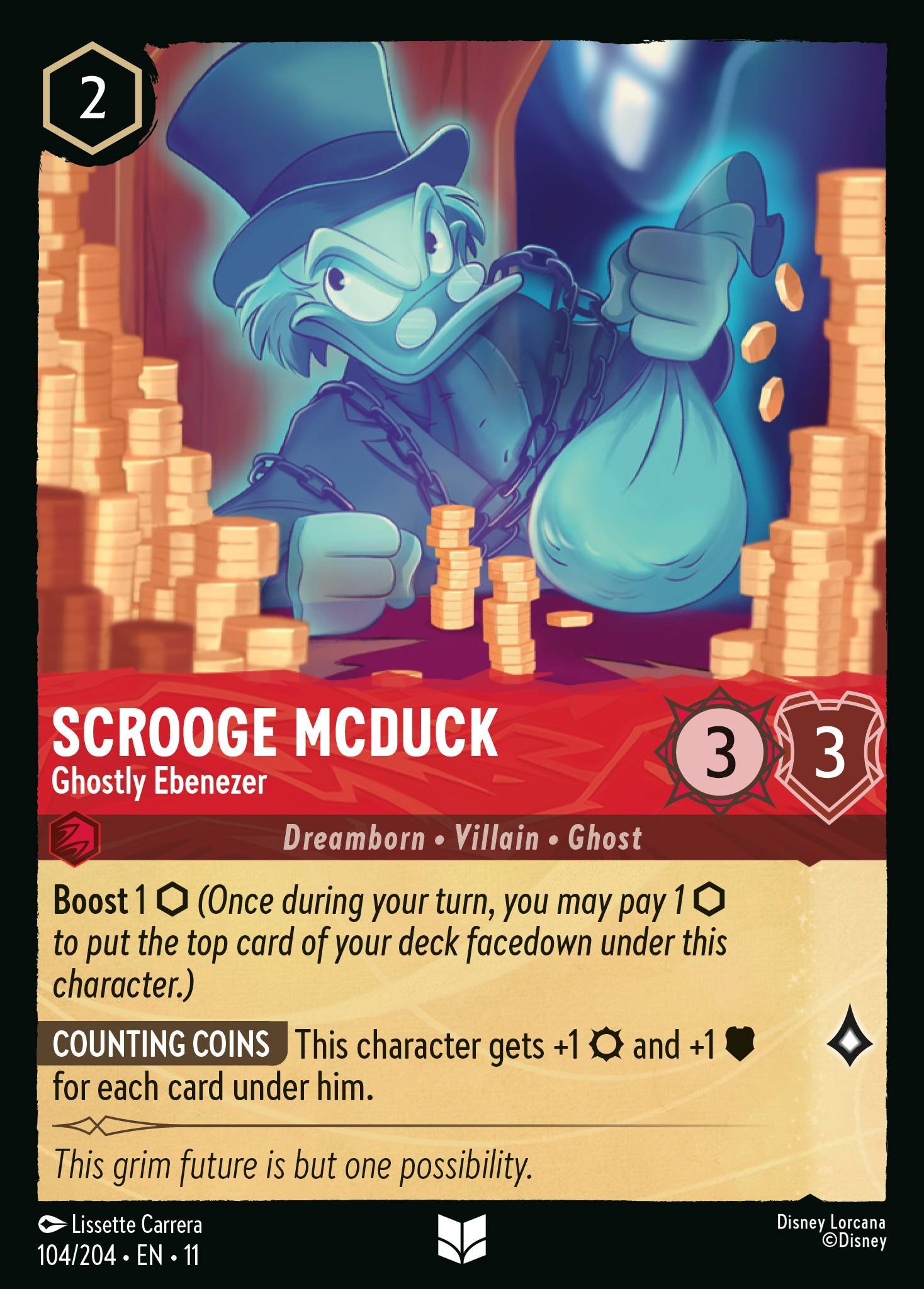
Those two cost the same, share a rarity, and came out of the same tournament winning deck. One can become ink and the other cannot. Nothing about the art or the cost tells you which. Only the symbol does.
The pattern nobody tells beginners
- 21%of Core cards cannot be inked, 214 of 1026
- 8%of commons are uninkable
- 32%of rares are uninkable
- 33%of super rares are uninkable
That is how the game keeps itself honest. A card strong enough to swing a game is usually a card you are not allowed to quietly bury for one ink.
The cards you most want to keep are the same cards the game refuses to let you turn into resources. That tension is the whole skill.
Rarity only hints at it. These three show how far the hint can be off.


How much should you actually ink?
Early on, almost always. Turns one through four, put something in. A turn where you fail to ink is a turn where every future turn is one ink poorer, and that gap does not close.
The mistake is almost never inking too much. It is loving everything in your hand, inking nothing, and sitting on five ink while the other player is on seven.
A turn without an ink makes every turn after it one ink poorer. That gap never closes on its own.
Later the maths flips. Once you can afford the most expensive card in your deck, extra ink buys nothing, and cards in hand are worth more than resources you cannot spend.
What real decks look like
Here is the part you can check yourself. These are three lists we have written up, all of them tournament or event decks, counted by how many distinct card names in them cannot be inked.
- 2uninkable names in the Ruby Amethyst Invitational winner
- 3in the Emerald Amethyst CCQ deck
- 5in the zero character control deck
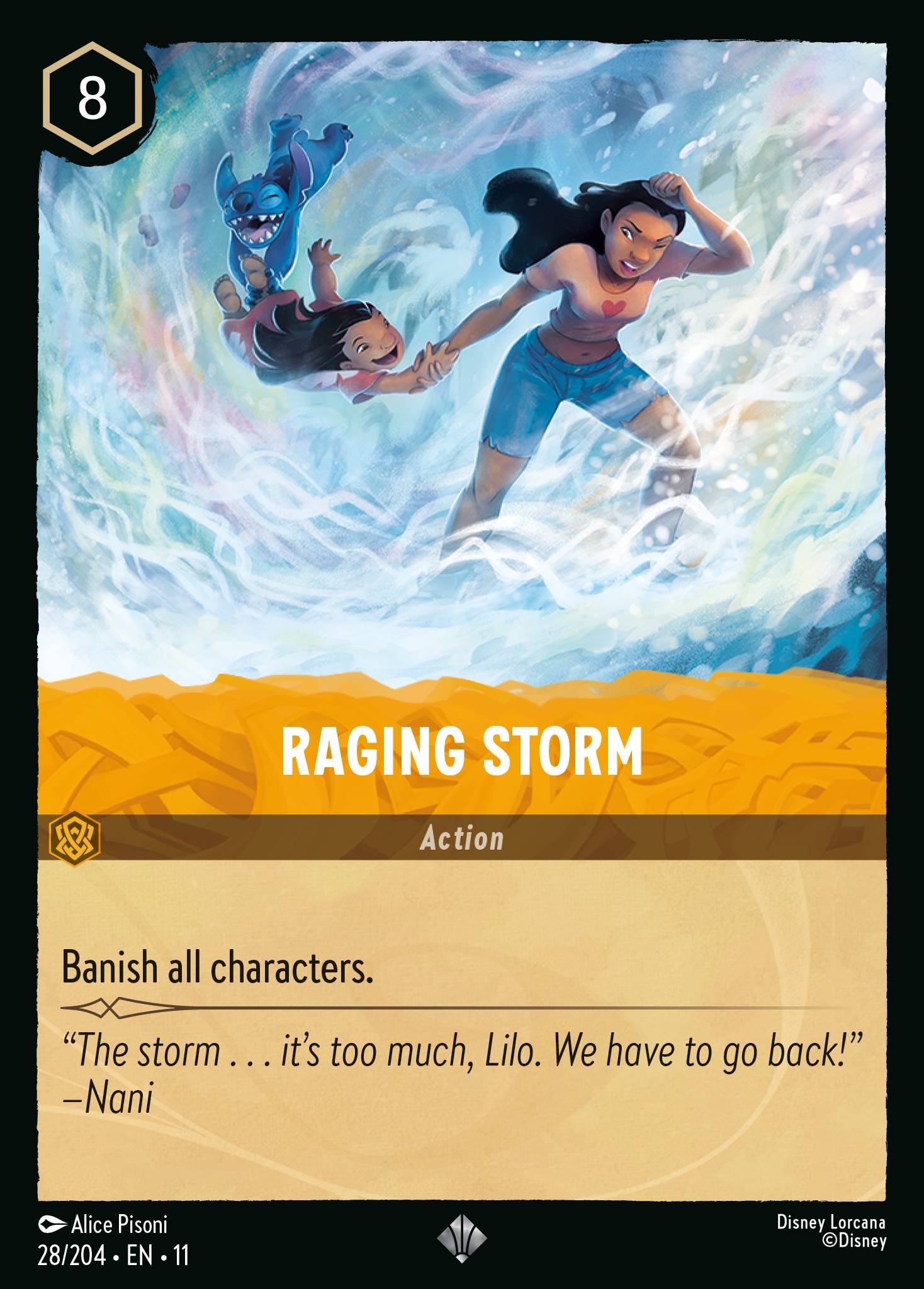

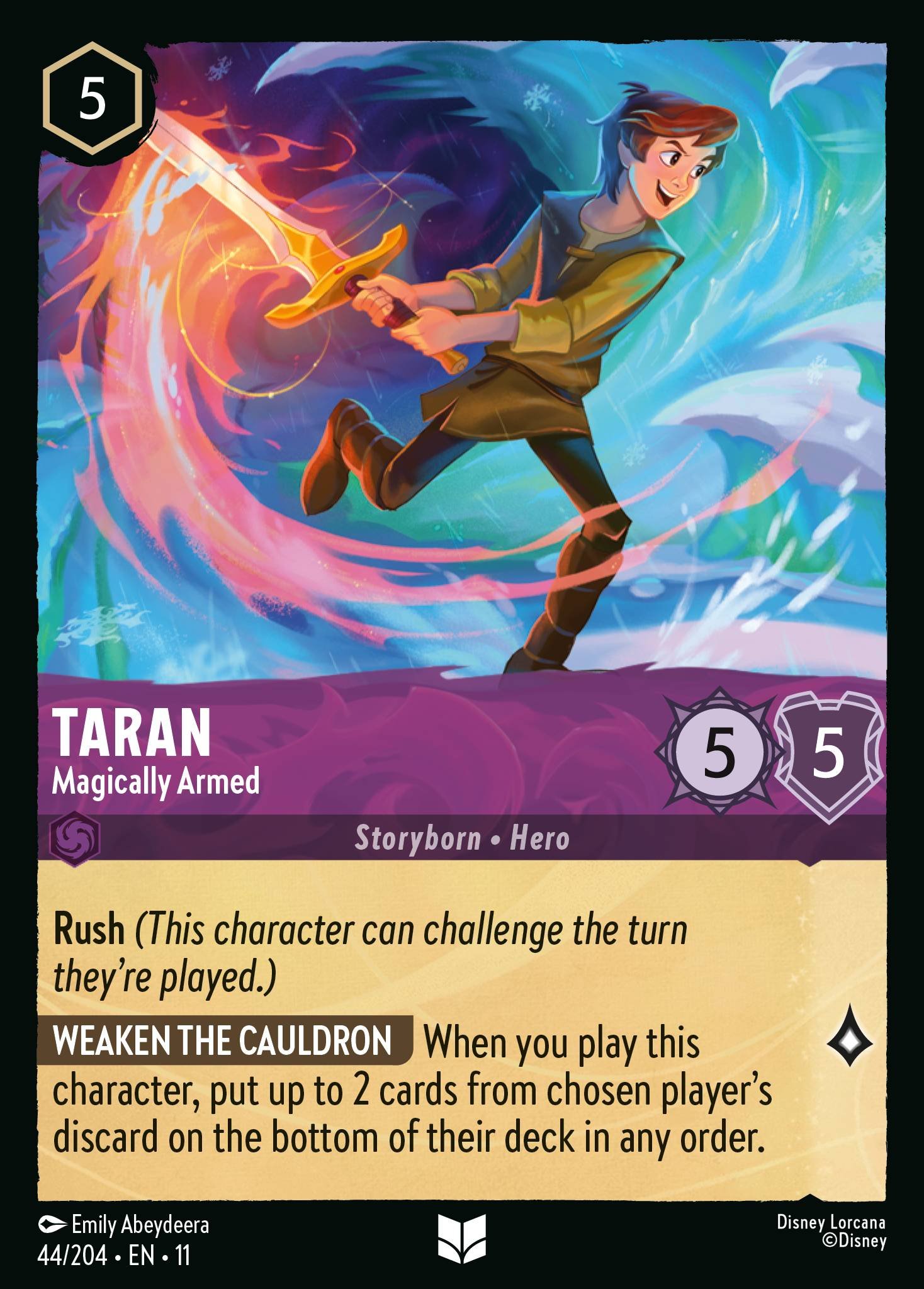
Two, three and five out of roughly twenty distinct names. Good players are not filling decks with the strongest cards available. They are keeping enough inkable cards that they never have a turn with nothing to put down.
A hand of five brilliant cards you cannot ink is a hand that loses to a hand of five ordinary ones.
Three mistakes to stop making today
1. Inking the card your deck is built around
If a card is the plan, it is not ink. Find something else, even when the something else hurts to lose.
2. Skipping an ink to hold a card you cannot play for four turns
The ink compounds and the card does not. You can hold that card just as easily on turn seven, when you also have seven ink.
3. Building a deck without ever checking the symbols
Count them before you sleeve up. If a quarter of your deck cannot be inked you will draw hands that simply do not function, and it will feel like bad luck rather than a deck building error.
Where to go next
Once inking makes sense, the next thing worth understanding is what each ink color is actually for, which is where deck building starts.
Read the color pie next, then look at how three very different real decks solve the same problem: the Invitational winner, the deck five players brought at once, and the one that plays no characters.
If you are starting from nothing
You do not need singles to learn this. Any current starter deck is legal, pre built, and already has a sensible ratio of inkable cards, which is the fastest way to feel what a normal curve is like before you start changing things.
Pre built and ready to play. The ink ratio is already sane, which is the point.
Check price at TCGplayer
That is an affiliate link. It costs you nothing and it helps keep this site free.
Every card in the game is in our card library with live prices, and the deck builder costs any list as you build it.
Card counts in this article are computed from the Core legal card pool and update when the pool does. The inkwell symbol is the only thing that decides whether a card can be inked, so when in doubt, look at the card.