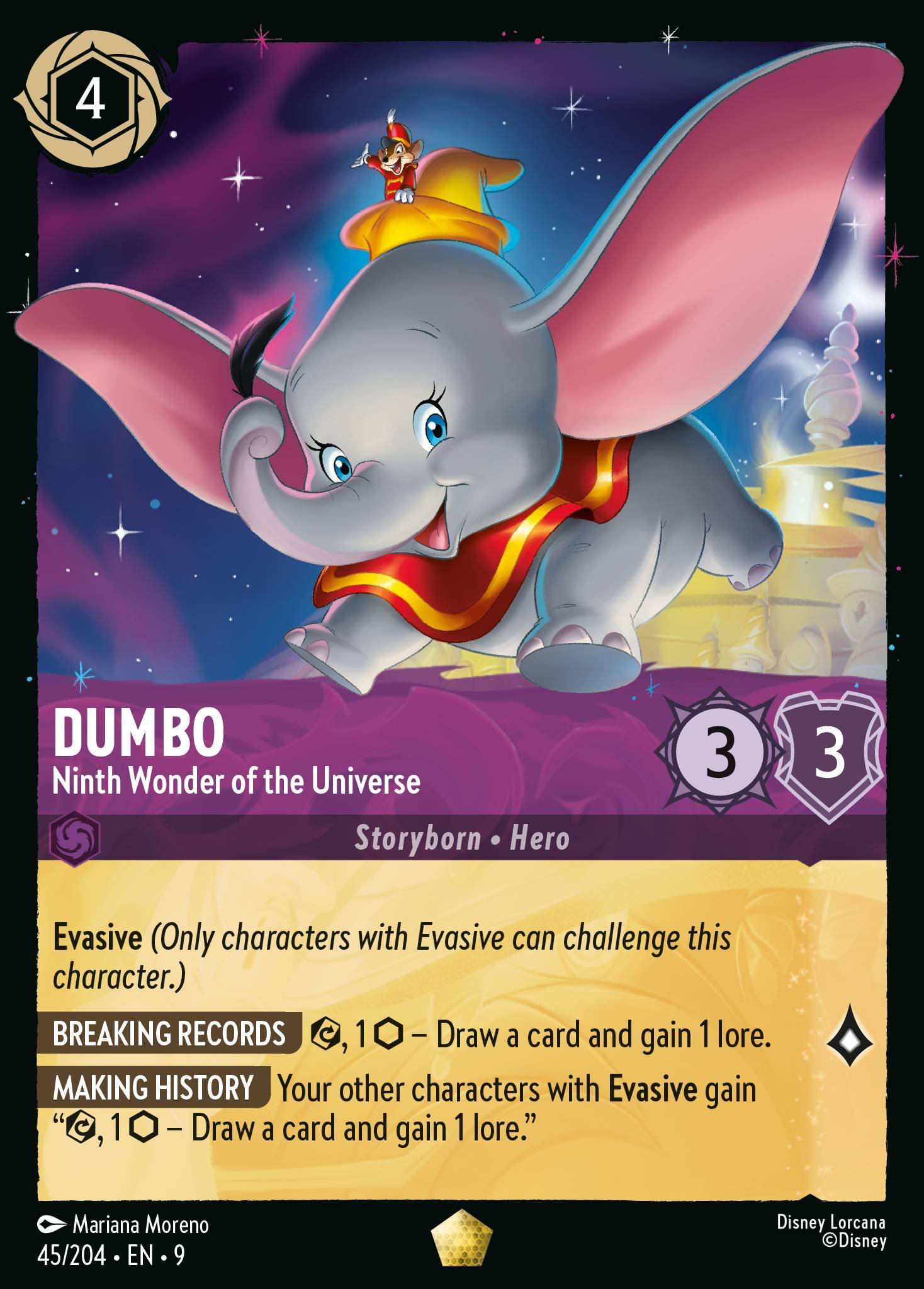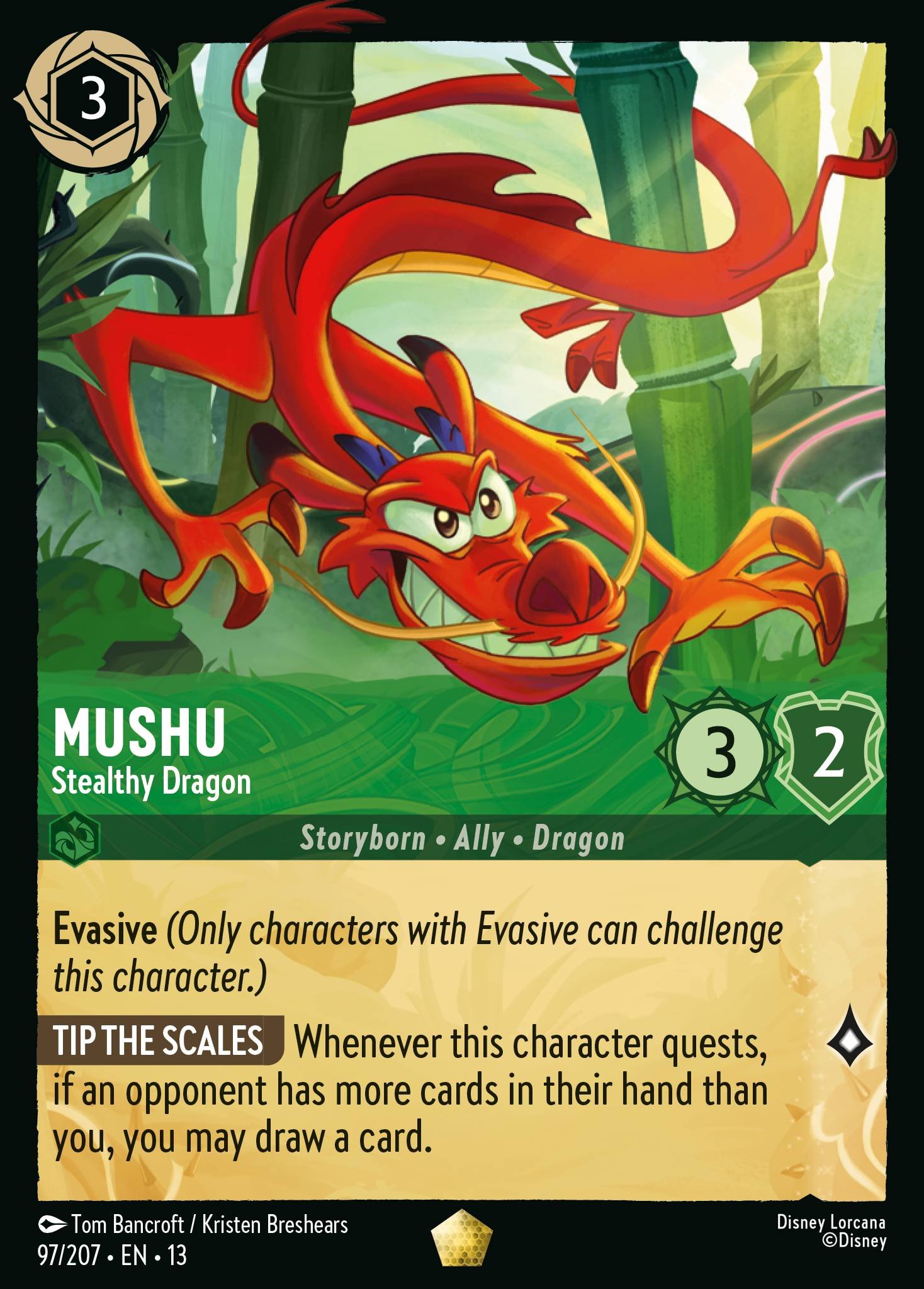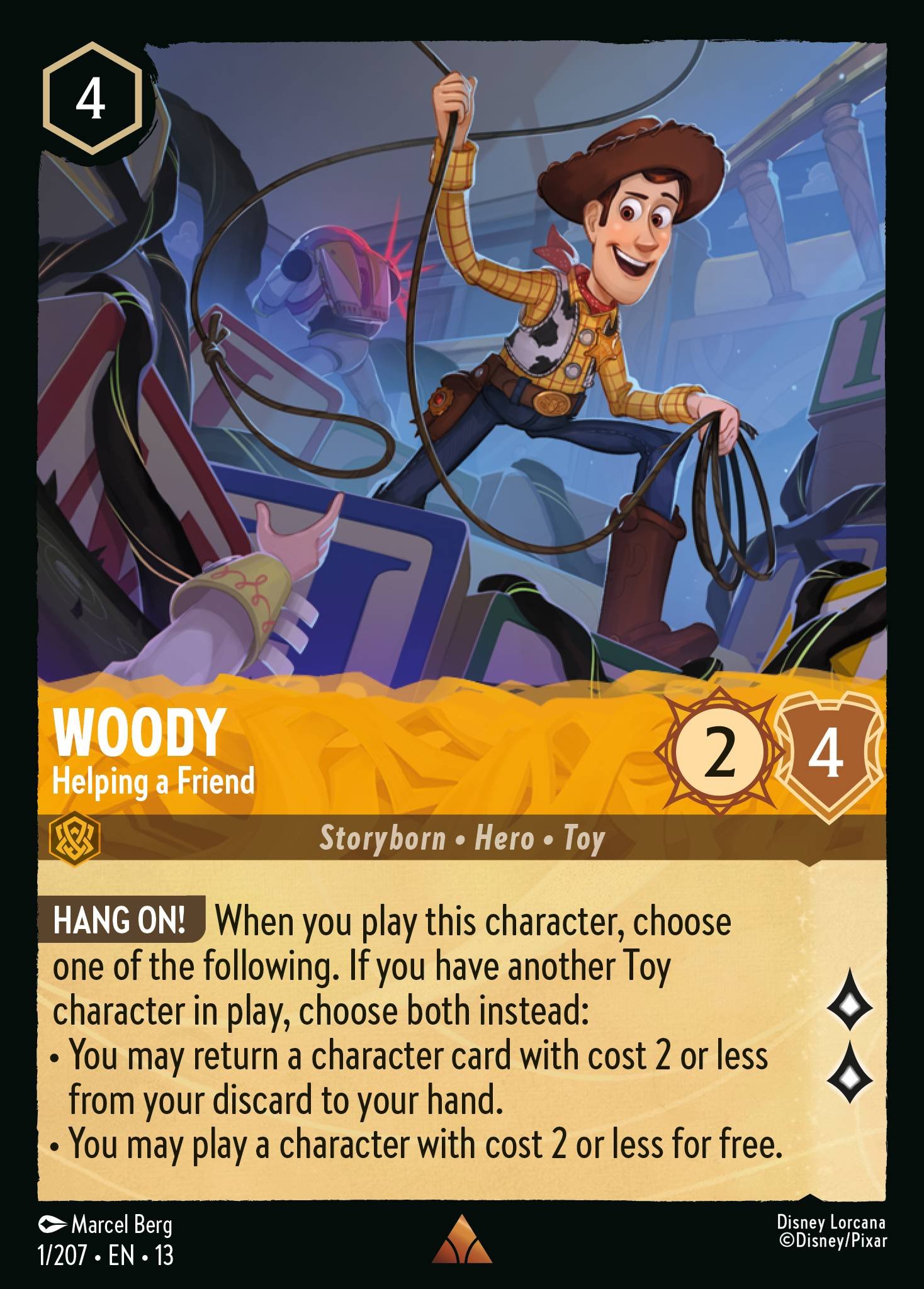

Three ink buys a look at the top 4 cards of your deck and up to 2 Toy characters into your hand. In a committed Toy deck you rarely even pay the three. This song is more efficient than it looks.
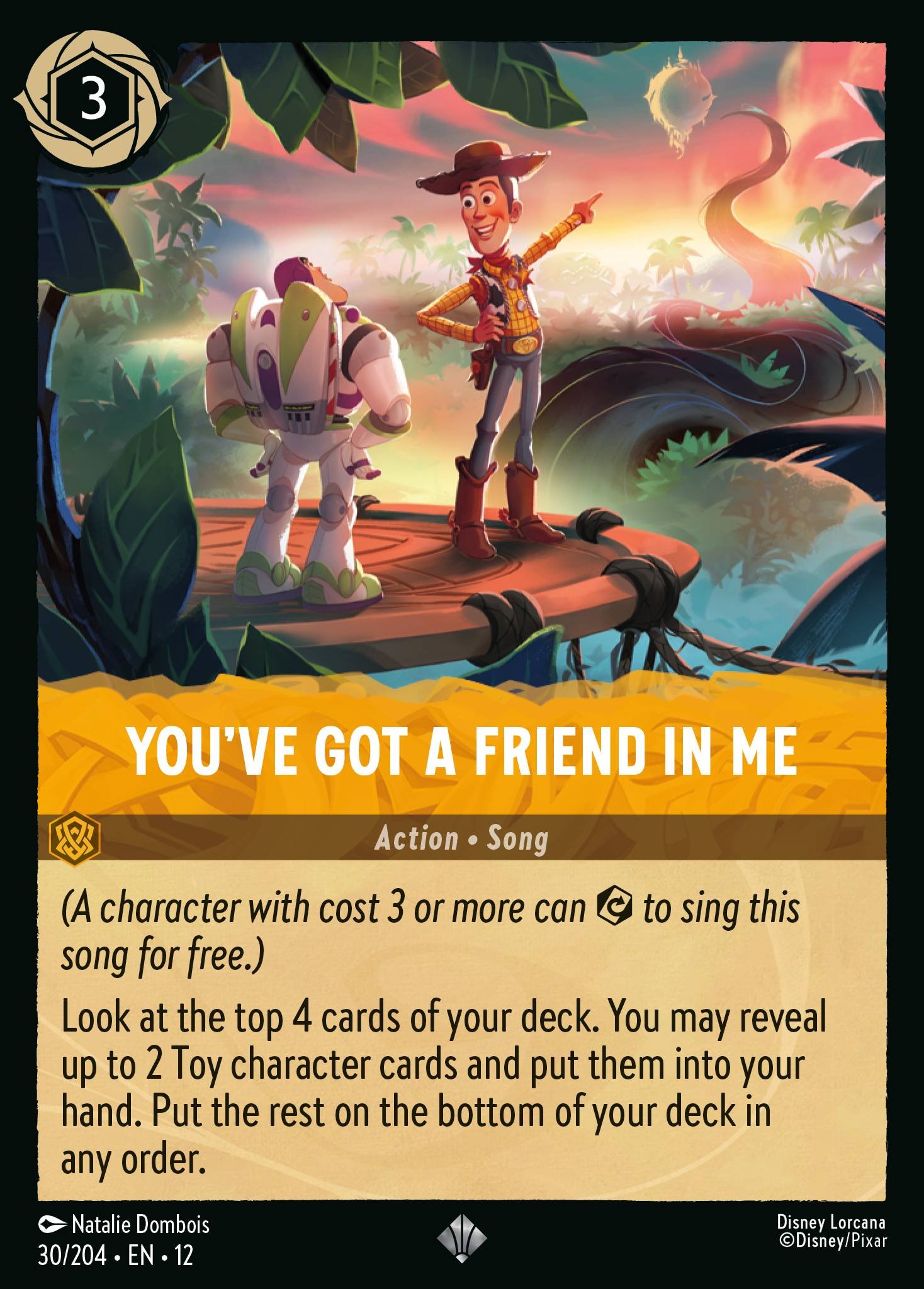


- Toy-tribal draw engine. Look at 4 cards, keep up to 2 Toy characters, put the rest back in any order.
- Sings for free. Any Toy character with a cost of 3 or more can exert to sing it, which means you spend zero ink to draw two cards.
- Nothing else in Core does this job. There is no direct rival at 3 ink doing the same thing for Toys specifically.
- Nothing removes a song. An action is not a target on the board; opponents answer this card by removing your singers before they sing.
The card text reads: "Look at the top 4 cards of your deck. You may reveal up to 2 Toy character cards and put them into your hand. Put the rest on the bottom of your deck in any order."
That last clause is doing a lot of quiet work.
What "in any order" actually means
You are not just drawing cards. You are sorting. Whatever you do not keep goes back to the bottom in whatever order you choose, so you can stack a card you want later above one you do not.
In a dense Toy deck you might look at four Toy characters, take two, and deliberately sequence the other two for your next draw or your next sing. That is a tutor with extra steps. It compounds over a long game.
The ceiling is two cards into hand. The floor, against a lean Toy list, is zero.
The singing clause does the heavy lifting
You've Got a Friend in Me costs 3 ink. The singing rule printed on the card says a character with cost 3 or more can exert to sing it for free. In a Toy deck, that is almost every character you want to play anyway. Woody - Town Sheriff, Buzz Lightyear - On the Way and Jessie - Lively Cowgirl all sit at exactly 3.
Singing this instead of questing means you give up lore on that character for a turn. You get two Toy characters into hand in exchange.
Whether that trade is worth it depends on your board state. Ahead with a full hand, quest. Digging for a specific piece, sing: it costs you nothing but the character's exert.
Singing it instead of questing means you give up lore on that character for a turn and get two Toy characters into hand in exchange.
If you are paying the 3 ink cost instead, you want a reason. Paying ink to draw two cards is fine. Paying ink while also losing a character's quest turn is a bigger ask.
So save the ink-cost play for turns when your singer is already committed elsewhere, or when you have spare ink and nothing better to spend it on.
What can actually stop it
Nothing stops the song itself. An action does not sit on the board to be challenged or targeted. It resolves the moment it is played and goes to the discard pile. There is no response window in this game.
The counterplay happens upstream, on your singers. Every character who would sing this costs 3 or more, and that is exactly the band removal wants. Goofy - Klutzy Skier trades himself for any one of your singers at three ink. Dragon Fire banishes one at five, no stats checked. Let It Go puts any chosen character into its player's inkwell, singers included.
Lose your board and the song does not go away, but its free mode does. You are left paying the full 3 ink for it, which is the line you were trying to avoid.


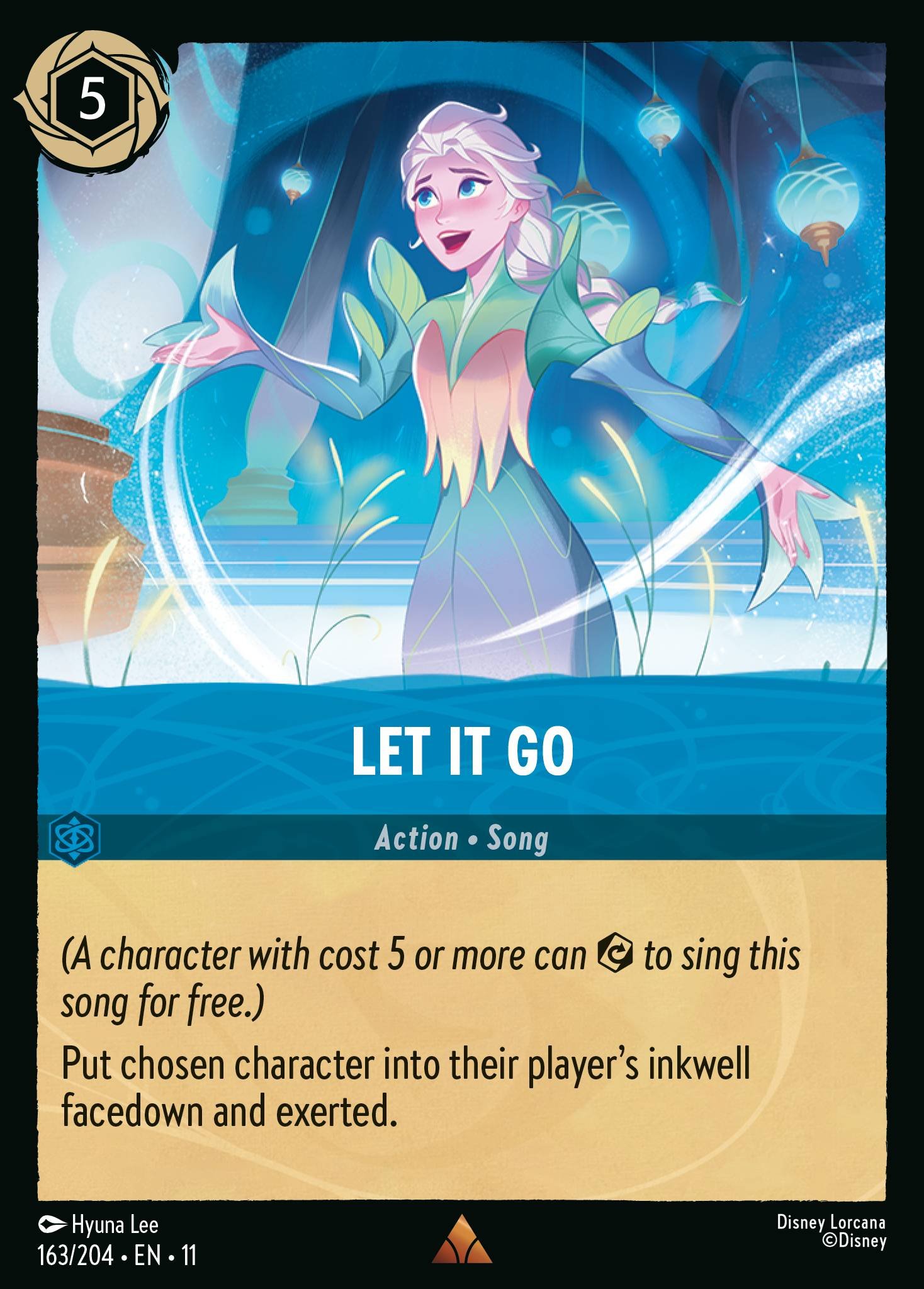
When it fails you
The honest weakness is density. This card is only as good as your Toy character count. Look at four cards and find zero Toys and you have spent 3 ink, or a character's exert, to put four cards on the bottom in a slightly better order.
That is a real outcome in a deck that splashes Toys rather than committing to them. This is a card for a dedicated Toy list, not a light touch.
There is also no rival to benchmark against, which cuts both ways. Nothing else in Core does this job at 3 ink for Toy characters. No rival means no fallback either. You are either in on Toys or this slot is blank.
Where to actually put it
Speculation here: this card likely wants a deck where hitting two on a look-at-four is close to reliable. A sixty-card deck running 16 Toy characters shows at least one Toy in the top four about 72% of the time. Hitting two is a bonus. At 12 Toy characters that falls to 60%, and the misses start to show.
The right build plays multiple copies and treats this as a recurring draw piece, sung for free by the Toys it finds. The ordering clause rewards repeated activations more than a single early dig.
So count your Toy characters before you sleeve this. Run it at full copies when a look at four reliably shows a Toy. Cut it the moment your count drops below the maths, because no amount of clever sequencing saves an empty look.
Prices update daily. Price any list as you build it in the deck builder, which reads the same feed as this page, and every card above links to its own page in the card library.
Card links go to TCGplayer. We may earn a commission.